
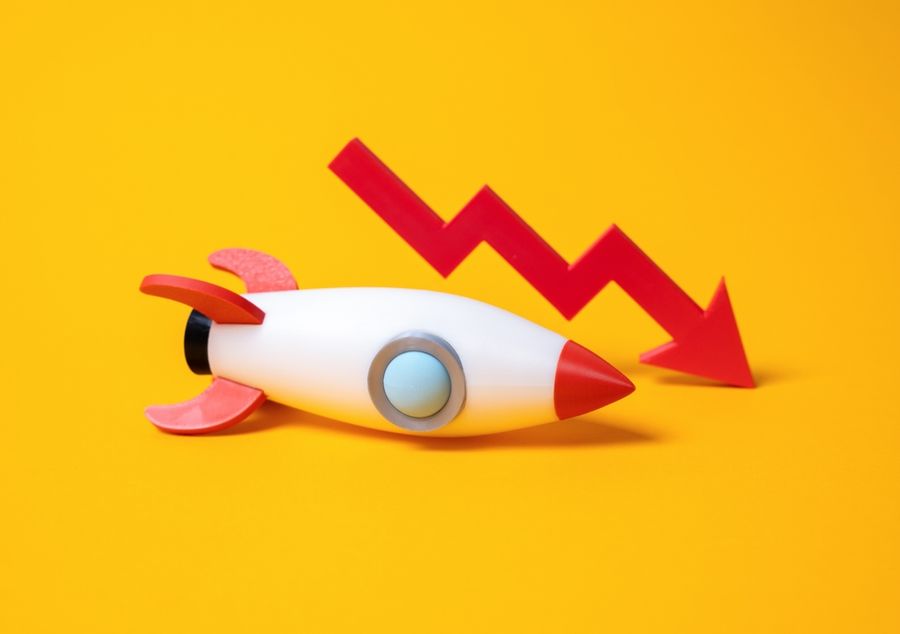
A campaign can look great on paper and still land with a thud. Maybe the clicks never came, the leads were weak, or sales barely moved. But that doesn’t mean the whole idea was worthless! A flop can reveal just as much as a win if you know what to look for. The goal isn’t to panic or scrap everything. It’s to figure out where the breakdown happened, learn from the signals, and make the next version clearer and more effective.
Stop and Compare Results With the Original Goal
Before changing anything, go back to the goal the campaign was supposed to achieve. A campaign built to increase awareness shouldn’t be judged only by immediate sales, just as a lead generation campaign can’t rely on impressions alone. Look at the metric that mattered most and compare the result with the target you set before launch.
Then review the supporting numbers. Low clicks may point to weak creative or targeting. Strong clicks with few conversions may suggest a landing page or offer problem. Good lead volume with poor lead quality can signal an audience mismatch. Start with evidence rather than frustration. A campaign feels less mysterious when you can identify the point where performance started to fall short.
Find the Weakest Point in the Funnel
A campaign can fail in several places, so avoid blaming the whole strategy at once. Break the customer journey into stages and look for the biggest drop. Did people notice the ad but ignore it? Did they click and leave? Did they reach checkout and stop? Each pattern points toward a different problem worth investigating.
|
What You’re Seeing |
What May Need Attention |
|---|---|
|
Lots of impressions, few clicks |
Headline, creative, targeting |
|
Good clicks, few conversions |
Landing page, offer, message match |
|
Plenty of leads, poor quality |
Audience targeting, qualification |
|
Strong interest, abandoned checkout |
Price, friction, trust, payment process |
|
Good traffic, little engagement |
Content relevance, page experience |
Use the patterns as clues rather than absolute answers. The goal isn’t to find someone to blame. It’s to connect a weak result with the part of the campaign most likely to have caused it. Once you know where the breakdown happened, testing gets much easier and far less expensive than rebuilding every asset from scratch.
Check Whether You Reached the Right Audience
Strong creative can still struggle when it reaches people who were unlikely to care in the first place. Review the targeting, audience segments, placements, keywords, and customer assumptions behind the campaign. Ask whether the people who saw the message actually had the problem, need, budget, or intent the offer was designed for.
Look beyond basic demographics when possible. Two people of the same age may have completely different reasons for buying. Customer behavior, pain points, timing, and prior engagement can be more useful signals. Compare high-performing and low-performing segments to see where interest was strongest. If one group responded well while another ignored the campaign, the core idea may be fine. The audience definition may simply need to get tighter.
Revisit the Offer Before Rewriting Everything
Sometimes the marketing isn’t the biggest problem. The offer itself may not feel valuable, urgent, clear, or easy enough to act on. Review what customers were actually being asked to buy, book, download, or sign up for. A polished campaign can’t fully compensate for an offer people don’t understand or want.
Additionally, look at price, positioning, incentives, risk, and the amount of effort required from the customer. Maybe the discount wasn’t meaningful, the trial asked for too much information, or the benefit felt too vague. Customer questions and objections can be especially useful here. Before producing a new round of ads, see whether a small change to the offer could make the existing message far more convincing.
Test the Message and Creative in Smaller Pieces
When a campaign underperforms, the instinct may be to replace every headline, image, video, and call to action at once. That makes it difficult to learn what actually caused the improvement. Instead, test one meaningful variable at a time when possible. Try a clearer headline, different visual, stronger proof point, or more specific call to action.
Keep the strongest parts of the original campaign while experimenting with the weakest ones. Even a flop may contain an ad that earned attention or a message that worked with one segment. Save anything that showed promise. Small tests can reveal whether the issue was the hook, format, tone, or value proposition. Learning from individual elements gives the next campaign a stronger starting point than a total reset.
Decide Whether to Fix, Pause, or Walk Away
Not every campaign deserves another round of spending. After reviewing the data and running reasonable tests, decide whether the idea still has enough potential to justify more time and budget. A campaign with strong engagement but a weak landing page may be worth repairing. One that repeatedly attracts the wrong audience may need a larger rethink.
Set boundaries before continuing. Decide what improvement would justify another investment and how long you’re willing to test. If results stay weak after clear changes, moving on can be the smarter choice. Ending a campaign isn’t the same as wasting the effort. The lessons can improve future targeting, creative, offers, and planning. Good marketers know when to optimize, but they also know when to stop.
Turn the Flop Into Better Marketing
A failed campaign doesn’t have to end as an embarrassing line in a performance report. It can show where customer assumptions were wrong, which messages fell flat, and which parts of the journey created friction. Document what happened while the details are fresh so the same mistakes don’t quietly return in the next launch.
Then carry the useful lessons forward. Keep the audience insight, creative patterns, objections, test results, and channel data that can sharpen future work. Marketing improves through repetition, not perfect prediction. Some campaigns will miss, even with careful planning. The teams that learn fastest are the ones willing to study weak results without getting defensive and use what they find to make the next idea stronger.